
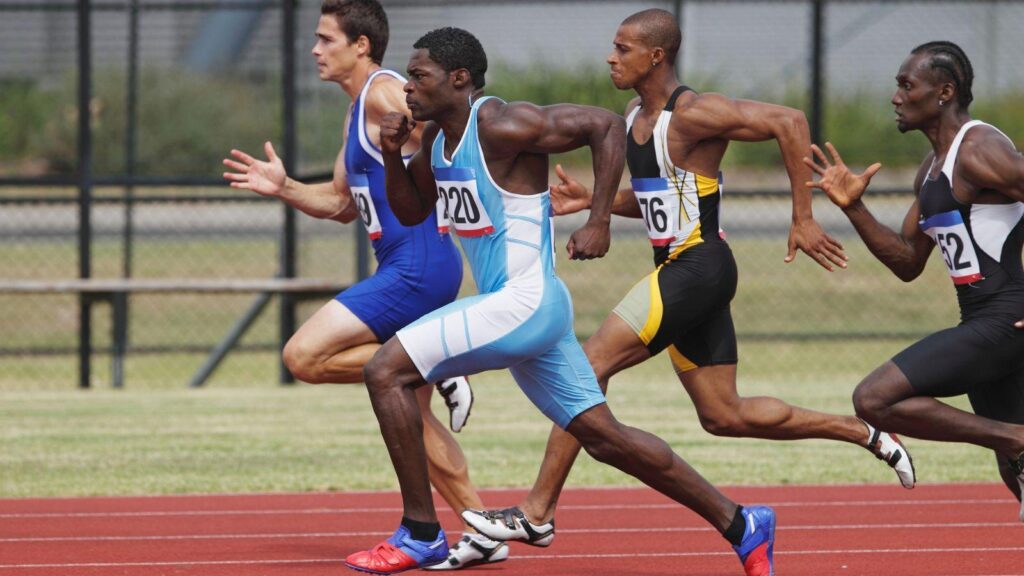
Strong training does not begin when the workout starts. It begins hours before, with the food you eat, the water you drink, the sleep you get, and the way you prepare your body for effort.
Many athletes focus only on workouts. They follow training plans, count reps, track distance, or push harder during practice. But performance is not only built during training. It is also built through daily nutrition, hydration, recovery, and consistency.
Whether you are lifting weights, running, cycling, playing team sports, or training for general fitness, your body needs the right support before, during, and after exercise. This article explains simple nutrition habits that can help athletes train stronger and recover smarter.
Start With the Right Pre-Training Fuel
Pre-training nutrition matters because your body needs energy before it performs. If you enter a workout under-fueled, you may feel tired early, lose focus, or struggle to finish with good intensity.
A good pre-training meal should be easy to digest and matched to the type of workout you are doing. For most athletes, a mix of carbohydrates and protein works well.
Carbohydrates help provide training energy. Protein supports muscle repair and recovery. Together, they create a stronger foundation for performance.
Good pre-training meal options include:
The timing depends on your body. A larger meal usually works better two to three hours before training. A lighter snack may work better 30 to 60 minutes before a session.
Do Not Ignore Hydration Before Training
Hydration is one of the simplest performance habits, but many athletes still miss it. Waiting until you feel thirsty during training is not the best strategy. By that point, your body may already be behind.
Water helps support temperature control, focus, muscle function, and endurance. When athletes sweat, they lose both water and electrolytes. Electrolytes such as sodium, potassium, magnesium, and calcium help support fluid balance and muscle function.
Poor hydration can lead to:
A simple habit is to drink water steadily throughout the day. If you train in hot weather, sweat heavily, or do longer sessions, electrolyte support may also be useful.
Hydration should be part of your preparation, not something you fix after performance drops.
Warm Up With Intention
A proper warm-up helps prepare your muscles, joints, and nervous system for training. It can also help you move better and reduce the shock of jumping straight into hard work.
A useful warm-up may include:
For example, before a lower-body strength session, you may use hip mobility drills, bodyweight squats, glute activation, and light warm-up sets. Before running or field sports, you may use jogging, skips, leg swings, and acceleration drills.
A warm-up does not need to be long. It just needs to prepare your body for the type of work ahead.
Use Carbohydrates as Training Fuel
Carbohydrates are often misunderstood. Some athletes avoid them because they think carbs are bad for body composition. In reality, carbohydrates are one of the body’s main fuel sources for hard training.
Carbs can support:
Good carbohydrate sources include:
The right amount depends on your goal and training volume. An athlete training hard five days per week will usually need more carbohydrates than someone doing light exercise a few times per week.
The goal is not to overeat carbs or avoid them completely. The goal is to use them wisely around training.
Protein Helps Repair the Body After Effort
Every hard workout creates stress in the body. Protein provides amino acids that help support muscle repair and recovery after training.
Athletes should aim to include protein throughout the day instead of saving it for one large meal. This helps support recovery more consistently.
Good protein sources include:
Protein powder can be helpful when whole food is not convenient. It is not a replacement for a balanced diet, but it can make it easier to meet daily protein needs during busy training schedules.
Nutrition During Training Depends on Session Length
Not every workout needs fuel during the session. A short gym workout may only require water. But longer, hotter, or more intense sessions may need additional hydration or carbohydrates.
During training, athletes should think about:
For short sessions, water may be enough. For longer sessions, especially endurance training or high-sweat workouts, electrolytes may help. For very long sessions, some athletes may also need easy-digesting carbohydrates.
The goal is to prevent energy crashes instead of trying to recover after the crash happens.
Cooldown Nutrition Supports Recovery
The cooldown period is not only about stretching. It is also the time to begin recovery.
After training, your body needs fluids, protein, carbohydrates, and minerals. A smart post-workout meal can help restore energy and support muscle repair.
Good post-workout options include:
You do not need to panic about eating within seconds after training. But it is smart to eat a balanced meal within a reasonable time after exercise, especially if you train hard or train again soon.
Recovery Is More Than Rest Days
Recovery is where the body adapts. Training gives your body the signal to improve, but recovery allows improvement to happen.
A strong recovery routine includes:
If recovery is poor, athletes may feel constantly sore, tired, unmotivated, or stuck in performance. More training is not always the solution. Sometimes the better answer is better recovery.
Supplements Should Support the Plan
Supplements can be useful, but they should never replace proper food, hydration, sleep, or training. Their role is to support the routine.
Common supplement categories for athletes include:
The key is to use each product for a clear purpose. Protein may help with daily intake. Electrolytes may support hydration. Pre-workout may help with energy and focus before demanding sessions.
Athletes comparing options can explore clean fuel for high-output training from Stealth Labz when researching supplement support for performance, recovery, hydration, muscle growth, and body composition goals.
Avoid Building a Routine Around Shortcuts
Athletes often want fast results. They want faster strength, faster fat loss, faster recovery, and faster endurance. But real progress comes from repeated habits.
Avoid relying on shortcuts such as:
The strongest athletes usually do the basics well for a long time.
A Simple Daily Nutrition Framework for Athletes
Here is a simple structure that most athletes can follow.
Morning
Start with water and a protein-rich breakfast. Add carbohydrates if you train early or have an active day.
Before Training
Eat a balanced meal or snack based on your workout time. Include carbohydrates and protein.
During Training
Drink water. Use electrolytes during long, hot, or high-sweat sessions.
After Training
Eat protein and carbohydrates. Rehydrate and begin recovery.
Evening
Eat a balanced dinner, reduce stress, and prepare for quality sleep.
This routine is simple, but it works because it supports the full training cycle from preparation to recovery.
Common Nutrition Mistakes Athletes Make
Even motivated athletes can slow their progress with simple mistakes.
Common mistakes include:
Fixing these habits can improve training quality without making the routine complicated.
FAQs About Sports Nutrition for Athletes
What should athletes eat before training?
Most athletes do well with a meal that includes carbohydrates and protein before training. Good options include oats with fruit, rice with chicken, Greek yogurt with berries, or a protein shake with banana.
Is hydration really important for performance?
Yes. Hydration affects energy, focus, endurance, temperature control, and recovery. Athletes should drink water throughout the day and consider electrolytes during long, hot, or high-sweat workouts.
Do athletes need supplements?
Not always. Supplements can help with convenience, protein intake, hydration, energy, or recovery, but they should support a strong routine. They should not replace food, sleep, or proper training.
Are carbohydrates good for athletes?
Yes. Carbohydrates help fuel hard training, endurance sessions, sprint work, and recovery. The right amount depends on the athlete’s training volume and body composition goals.
What is the biggest sports nutrition mistake?
One of the biggest mistakes is focusing on supplements before fixing the basics. Athletes should first improve meals, hydration, sleep, and training consistency.
Final Thoughts
Athletes perform better when the full routine works together. Training matters, but so do food, hydration, recovery, sleep, and smart preparation.
Start with simple habits. Fuel before training. Hydrate before thirst hits. Eat protein consistently. Use carbohydrates around hard sessions. Recover with intention. Use supplements only when they support a clear goal.
From warm-up to cooldown, better nutrition habits can help athletes train stronger, recover smarter, and stay consistent for long-term progress.